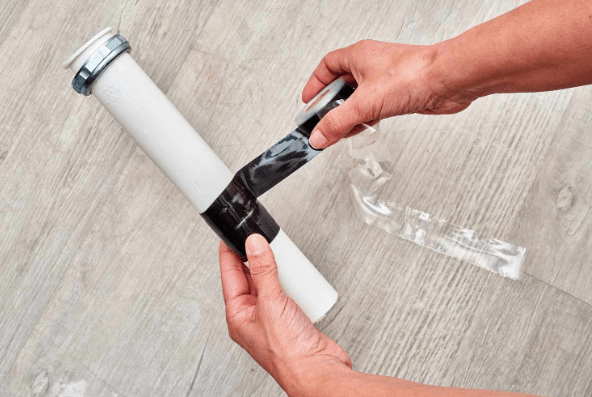

A broken pipe demands calm, methodical action. Identify the leak, then shut off the relevant water supply and, if needed, power to nearby equipment. Prepare temporary fixes to control the flow while planning a permanent repair. Assess the damage and decide whether to call a professional. Document steps and consider maintenance to prevent future breaks. The next steps require careful choice and precise execution to avoid further harm. This approach keeps options clear as the situation unfolds.
Identify the Leak and Stop the Water Safely
To identify a leak and stop the water safely, begin by locating the source of the flow. The process emphasizes finding tools and applying safety steps. A detached observer notes visible drips, pressure points, or pooling, then selects appropriate shutoff valves or disconnects.
Precision follows, limiting loss, avoiding distractions, and maintaining control until the system stabilizes and indicators confirm cessation of flow.
Temporary Fixes to Narrow a Burst or Drip
Temporary fixes aim to slow or contain the leak while preparing a permanent repair.
The section describes quick fix methods to narrow a burst or drip without delaying action.
It prioritizes clear, actionable steps and minimal disruption.
Essential steps use emergency tools efficiently, applying clamps, patches, or tape as a stopgap.
Precision guidance helps practitioners maintain control until professional repair can proceed.
Assess Damage and Decide When to Call a Pro
After implementing quick fixes to slow the leak, the next step is to evaluate the extent of damage and determine whether professional intervention is necessary.
The assessment includes identifying pipe material, checking for structural exposure, and noting moisture spread.
Consider water shutoff safety, ensure power is off if needed, and weigh repair scope against available skills before calling a pro.
See also: The Dark Web: What Lies Beneath the Internet
Prevent Future Pipe Breaks and Maintenance Tips
Regular maintenance and proactive measures can significantly reduce the risk of future pipe breaks by addressing common stress points, inspecting connections, and scheduling routine upkeeping.
This approach prioritizes durable materials, proper insulation, and prompt leak repair.
Documented inspections help control repair costs and streamline insurance claims, while clear maintenance logs empower homeowners to act decisively, minimize downtime, and sustain long-term reliability.
Conclusion
In short, the pipe was pretending to be a marvel of engineering—until it burst, of course. The tale ends with perfectly safe clamps, a neatly patched drip, and a maintenance log becoming the hero of the hour. Irony, of course, is that planning for emergencies actually prevents them. So yes, follow the steps: locate, shut off, patch, log. A tiny investment in preparation yields dramatically smaller catastrophes, which is exactly how plumbing secretly wants to be treated.
