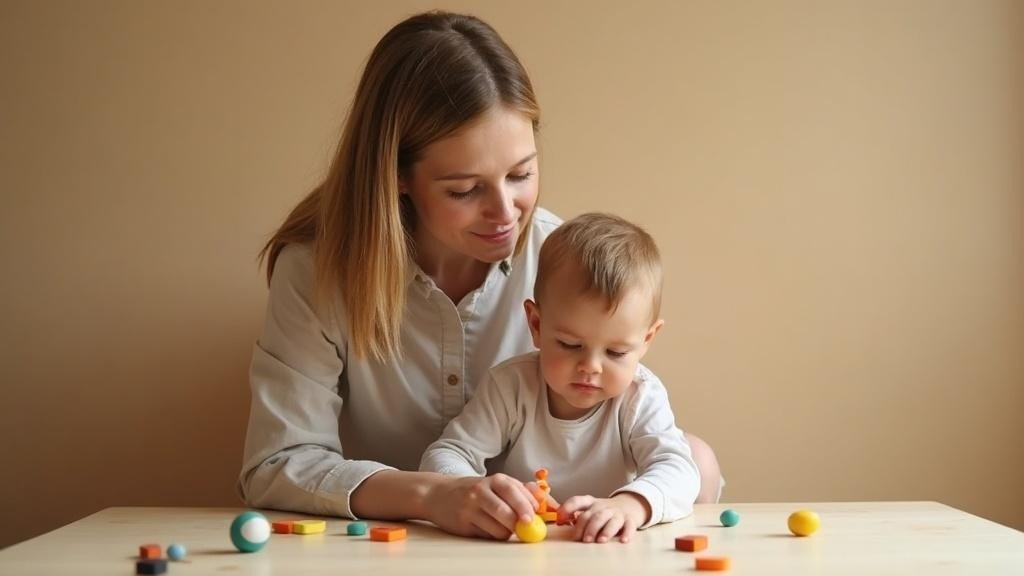

The single thing that matters most when picking a speech app for a child: whether the child will actually open it again tomorrow. Engagement without pressure is everything. An app that frustrates, bores, or shames a kid gets deleted by Tuesday.
This list covers real options, from structured articulation drills to AI companions, plus the one baseline that no app replaces. Prices are current to mid-2025 where publicly listed.
For outside context, see this asha.org.
What I Looked At
- Repeat use. Does the format keep kids coming back without bribing them?
- Clinical grounding. Was it designed with speech-language pathologists, or just a vocabulary quiz with cartoon animals?
- Fit for neurodivergent kids. Many children seeking speech practice also have ADHD, autism, or sensory sensitivities. Sensory overload and punitive feedback kill sessions fast.
- Parent visibility. Can caregivers see what the child practiced and share it with a therapist?
- Honest pricing. No hidden paywalls after a fake “free” onboarding.
The 10 Options
1. Work With a Licensed SLP First (Expressable or Similar Teletherapy)
Before any app purchase: a licensed speech-language pathologist sets the actual target. Apps are practice tools. A real SLP is the diagnosis and the plan. Expressable offers teletherapy with licensed SLPs for kids and adults, conducted over video, often covered partially by insurance. If your child has never had a formal evaluation, start here. Then use apps to fill the gap between sessions.
See also: The 7 Best AI Image Editors of 2026
2. Speech Blubs
Voice-controlled and built around video modeling, Speech Blubs lets kids watch other children or animated characters produce sounds, then tries to match them using the device’s camera and microphone. It covers 1,500+ activities targeting articulation, language, and phonological awareness. Good fit for apraxia, autism, speech delay, and ADHD. Pricing is roughly $14.49 per month, $59.99 per year, or $99.99 for a lifetime license. Parents can filter by target sound or skill. The video-mirror feature, where the child sees their own face alongside the model, is genuinely useful for kids who need visual feedback to shape mouth position.
3. Articulation Station (Little Bee Speech)
Built by practicing SLPs, Articulation Station targets one thing and does it well: sound-level articulation and phonological practice. Over 1,200 target words organized by sound position (initial, medial, final). The Pro version is a one-time $59.99 purchase with no subscription, which makes it unusual in this category. Flashcard, matching, and sentence-level games are included. This is a structured drill app, not a play-based conversation tool, and that’s exactly right for kids who need high repetition on specific sounds between therapy sessions. Share the session log with your child’s SLP and it doubles as homework.
4. Otsimo Speech Therapy
Otsimo is built specifically for children with autism, apraxia, Down syndrome, and nonverbal or minimally verbal profiles. It uses AI to adapt feedback across 200+ exercises. Pricing is accessible: about $6.99 per month, $4.49 per month on an annual plan, or $115.99 for a lifetime license. The exercises span AAC-style communication building, expressive language, and sound practice. The lower monthly cost makes it worth trying for families who aren’t ready to commit to a year. The interface is clean and low-clutter, which matters for kids who dysregulate in busy visual environments.
5. Little Words (Buddy, the AI Speech Companion)
Little Words takes a different approach than any drill app on this list. A child talks to Buddy, an AI companion, in actual conversation. No menus to read. No buttons to tap. Buddy listens, responds, remembers the child’s name and favorite topics, and quietly models correct pronunciation inside normal exchanges without ever flagging an answer as wrong. For a pre-reader or a child who shuts down at anything that feels like a test, this matters enormously.
Parents set target sounds (s, r, l, sh, th, and others) in the dashboard. Before each session, Buddy runs a short mood check and adjusts his energy accordingly, a detail borrowed from sensory-aware therapeutic practice. Sessions run 5 to 20 minutes, and the pacing is fully adjustable. The app tracks streaks using a growing tree visual and generates SLP-style PDF reports parents can bring to an actual therapy appointment. It is COPPA compliant, carries no ads, and sells no user data. A free trial is available; ongoing access requires a subscription managed through device settings.
This one fits best for ages 2 to 8, including kids with ADHD, autism, or speech delay, who need daily, low-pressure practice between SLP appointments and respond better to a “friend” than a structured task.
6. Tactus Therapy Apps
Tactus produces a family of clinical apps, each targeting a specific skill: phonological awareness, naming, reading, word-finding. Individual apps run roughly $9.99 to $99.99, one-time purchases. These are evidence-based tools used in actual clinical settings. They are not the most visually exciting apps on the market. They are, however, among the most carefully constructed. Useful for school-age kids with diagnosed language processing disorders, especially when an SLP has recommended a specific target area.
7. Constant Therapy
Constant Therapy covers a broader age range than most apps here and was originally built for adult aphasia rehabilitation, but its adaptive protocol and SLP-developed exercises work across ages with language and cognitive-communication needs. The platform tracks accuracy and speed, adjusts difficulty automatically, and generates session reports. Pricing is subscription-based. It is better suited to school-age kids than toddlers. If your child has a more complex profile, a neurologist or SLP has likely already mentioned this one.
8. ASHA’s Free Resources and Library Apps
The American Speech-Language-Hearing Association publishes free guides for parents at home.asha.org, covering milestones, red flags, and at-home activity ideas by age. Many public library systems also offer free access to apps like Starfall or Khan Academy Kids, which build phonemic awareness even if they are not clinical speech tools. Free is underrated. Not every child needs a paid subscription app, especially young toddlers who are just slightly behind on a single sound.
9. YouTube SLP Channels (Ms. Rachel, Speech Sisters)
Not an app. Still worth naming. Ms. Rachel’s Songs for Littles has more peer-reviewed-aligned content than its casual presentation suggests. Speech Sisters, run by two licensed SLPs, produces short, specific videos parents can do alongside their kids. For children under three with mild delays, consistent 15-minute YouTube sessions with an engaged parent often move the needle before any paid tool is needed.
10. School District Speech Services (Free, Legally Protected)
If your child is school age and has a documented speech-language disorder, IDEA requires the school district to provide free speech therapy as part of an IEP or 504 plan. This is the most underused option on this list. Parents can request an evaluation in writing. The district has a legal timeline to respond. Apps supplement school services. They do not replace an entitlement the child already has.
How to Choose
Match the tool to what the child actually needs right now. Structured drill apps like Articulation Station work well when an SLP has identified a specific sound and the child can handle flashcard-style repetition. Conversation-based tools like Little Words suit kids who need daily engagement but resist anything that feels like a test. Clinical platforms like Otsimo and Tactus fit more complex profiles with professional oversight. And for any child whose speech concerns are new or undiagnosed, the first step is still a licensed SLP, not an App Store search.
No app on this list treats or diagnoses a speech disorder. They are practice tools. Good ones, some of them, but still just practice.
Common Questions
Does Speech Blubs actually work for kids who refuse to sit still?
Speech Blubs tends to hold attention better than flashcard-style apps because the video-mirror feature gives kids something to react to physically. Short sessions help. That said, no app works if a child is in a dysregulated state, and Speech Blubs does not adapt session length or tone to mood the way some newer tools do.
Can Little Words replace weekly SLP appointments for a child with apraxia?
No, and the app does not claim otherwise. Apraxia requires hands-on motor planning work that an AI companion cannot replicate. Little Words is designed to fill the days between sessions with low-pressure repetition, and its PDF reports can make those sessions more efficient by showing the SLP exactly what sounds the child practiced at home.
Is Articulation Station worth buying if a child is already getting school-based speech therapy?
Often yes. School services are frequently limited to one or two sessions per week. Articulation Station’s one-time $59.99 Pro purchase gives a child structured drill practice on the exact sounds their SLP is targeting, and the session log is shareable. It works best when a therapist has already identified the target sounds so the parent can set the app up correctly.
Which of these apps is best suited to a child who is nonverbal or minimally verbal?
Otsimo is the most directly built for that profile. It was designed with nonverbal and minimally verbal children in mind, includes AAC-style communication exercises, and adapts based on response patterns. For children who are entirely nonverbal, a dedicated AAC device evaluation through a licensed SLP should come before any app decision.
How does a parent know when an app is enough versus when professional evaluation is actually overdue?
A rough guideline from ASHA: if a child under two has no words, or a child under three is not combining two words, those are red flags for evaluation, not app territory. Apps are appropriate for kids who already have a therapy plan and need between-session practice. New or worsening concerns, especially sudden regression, call for an SLP, not a subscription.
Sources
- American Speech-Language-Hearing Association (ASHA): asha.org
- Speech Blubs pricing and feature descriptions: speechblubs.com
- Little Bee Speech / Articulation Station product page: littlbeespeech.com
- Otsimo pricing: otsimo.com
- Expressable teletherapy: expressable.com
- Individuals with Disabilities Education Act (IDEA) overview: sites.ed.gov/idea
- Tactus Therapy app catalog: tactustherapy.com

 By
By