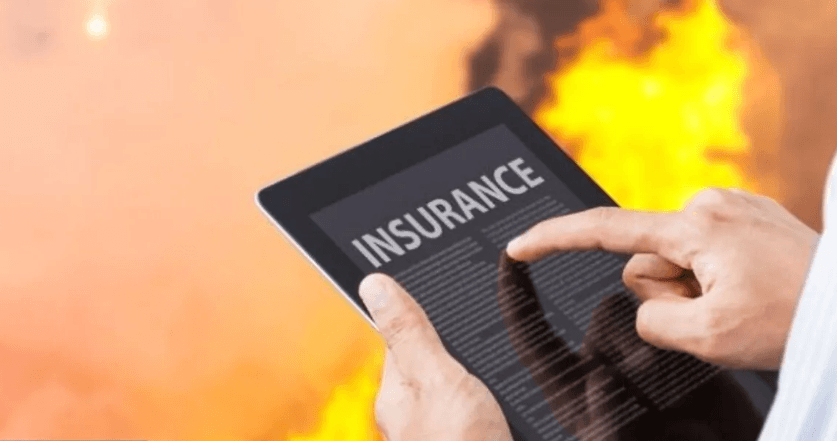

A commercial fire loss is one of the most financially damaging events a business can experience. The physical destruction is visible and immediate. What is less visible, and often far more consequential, is what happens in the weeks and months after the fire, during the insurance claims process.
A fire damage public adjuster is a licensed professional who manages that process on behalf of the policyholder, ensuring the full extent of the loss is captured, the policy is interpreted accurately, and the settlement reflects what the business is actually owed.
Why Fire Claims Require Specialist Representation
Fire losses are among the most complex commercial insurance claims to manage. The reasons go beyond the obvious physical damage:
- Smoke and soot damage extends well beyond the areas of direct combustion, affecting equipment, inventory, and building systems that may appear undamaged
- Water damage from firefighting efforts often causes secondary losses that are separate from the fire damage itself
- Structural assessments for reinstatement require specialist engineers, not just a visual inspection
- Business interruption during the restoration period can represent a larger financial loss than the physical damage
- Building code upgrades required as part of reinstatement are a coverage entitlement many policyholders are unaware of
A commercial fire insurance claim that does not account for all of these components will produce a settlement that falls significantly short of the actual loss.
The Stages of a Commercial Fire Claim
| Stage | What It Involves |
| Immediate loss mitigation | Securing the property, preventing further damage, and preserving evidence for the claim |
| Policy review | Identifying all applicable coverages including building, contents, business interruption, extra expense, and code upgrades |
| Scope of loss documentation | Engaging structural engineers, contents specialists, and equipment assessors to document the full extent of the damage |
| Business interruption quantification | Calculating lost revenue, ongoing fixed expenses, and the projected restoration period |
| Claim submission and negotiation | Presenting the documented loss to the insurer and managing the negotiation through to settlement |
What Insurers Commonly Dispute in Fire Claims
Even well-documented commercial fire claims face pushback in certain areas. Knowing where disputes most frequently arise helps policyholders understand what preparation is required.
- The extent of smoke damage, particularly to electrical systems, HVAC, and sensitive equipment
- The period of restoration for business interruption purposes, which insurers often argue should be shorter than the actual rebuilding timeline
- The replacement versus actual cash value of destroyed contents and equipment
- Whether certain building upgrades are required by current codes and therefore covered under the policy
Allied Public Adjusters has managed commercial fire claims across California, including cases where the insurer’s initial assessment significantly understated the scope of loss or the business interruption entitlement.
See also: The 7 Best AI Image Editors of 2026
When to Engage a Fire Damage Public Adjuster
The strongest position in a commercial fire insurance claim is established early. Engaging a fire damage public adjuster before the insurer’s adjuster completes their initial assessment means the documentation process is managed proactively and the full scope of loss is on record from the outset.
If the insurer has already made an assessment or issued a settlement offer, it is still worth seeking a review. Supplemental claims are common in fire damage situations, and underpaid settlements can often be challenged where the documentation supports a higher valuation.
Key Takeaways
| 1 | Fire damage extends well beyond visible destruction. Smoke, water, and consequential losses all need to be documented and claimed. |
| 2 | Business interruption during the restoration period can exceed the physical damage cost and requires detailed financial documentation. |
| 3 | Building code upgrade costs are often a covered entitlement that policyholders do not know to claim. |
| 4 | Insurers commonly dispute the extent of smoke damage, the restoration period, and the contents valuation in fire claims. |
| 5 | Engaging a fire damage public adjuster early produces the strongest documentation and negotiating position. |
Next Step
If your business has experienced a fire loss and you want to understand whether your claim is being handled in your best interest, Allied offers a no-cost consultation to review your situation and assess your options.

 By
By